
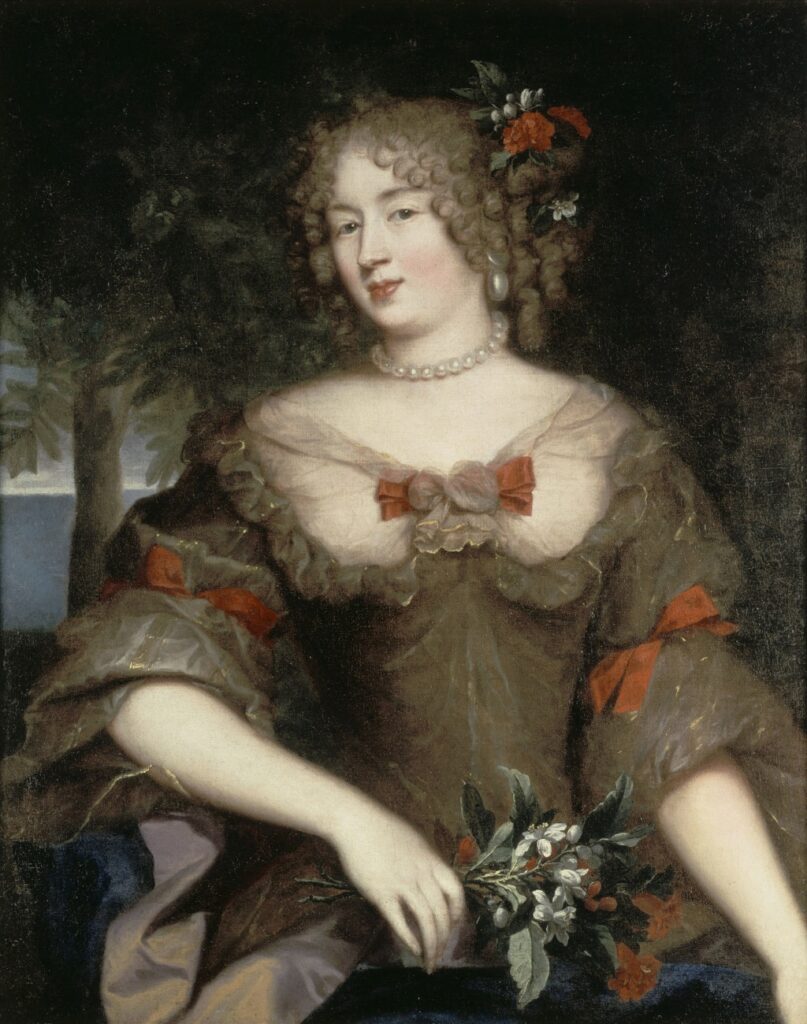
The 400th anniversary this year of the birth of that great letter-writer, the Marquise de Sévigné, afforded me the opportunity both to visit the wonderful new exhibition “Madame de Sévigné: Lettres Parisiennes” at the Musée Carnavalet (located in a building she lived in for a number of years, just a stone’s throw from the place of her birth) and to travel down to Provence to the beautiful village of Grignan and its imposing château, where Sévigné’s daughter, Françoise Marguerite de Sévigné, Comtesse de Grignan, the recipient of the vast majority of her mother’s letters, lived for many years and where Sévigné herself died in 1696.
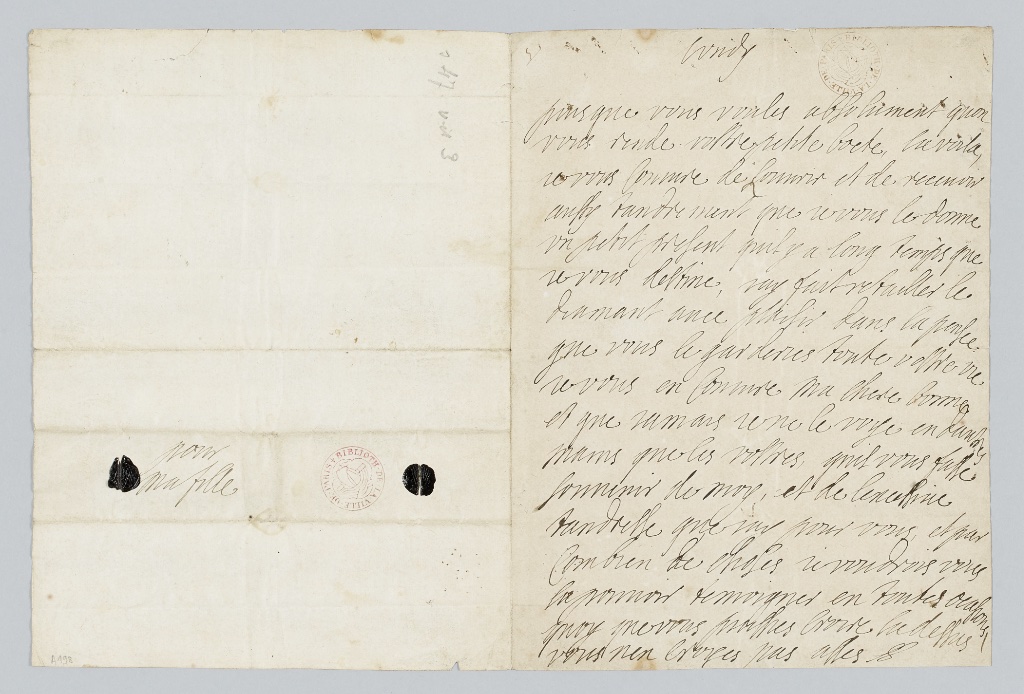
Both the Paris exhibition and Grignan valiantly try to bring the Marquise’s correspondence to life. Over the course of the year, Grignan is hosting a series of events, lectures and conferences, and, on July 6, is even staging a rarely heard opera, Ninon chez Mme de Sévigné (1808) by Henri Berton, about Sévigné and the famous courtesan Ninon de Lenclos. At Carnavalet, speaker phones in different rooms provide readings of a selection of her letters, an enjoyable opportunity if visitors have the time and patience to wait for other, overly assiduous listeners to finish; those unwilling to linger will have to satisfy themselves with much shorter quotations on the walls of the exhibition space.
In Grignan, placards bearing lengthier extracts from the letters are dotted around the village, providing many moments of delight as one wanders past the facades and stone walls festooned with a wide range of beautiful roses.
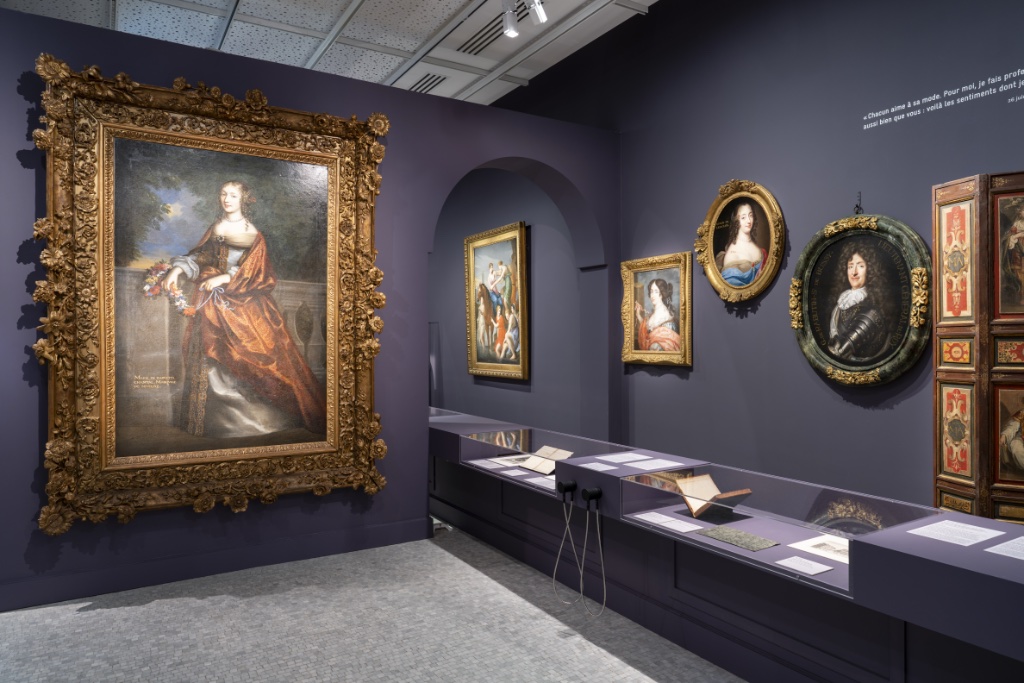
The Carnavalet exhibition is unparalleled for the wealth of artifacts, paintings, maps, furniture, objects, books and manuscripts that display the extraordinary cultural, literary, musical, religious, political, culinary and natural worlds in which Sévigné participated, providing her with endless subject matter to entertain and inspire her readers, most particularly her daughter Françoise-Marguerite, who, two years after marrying the Comte de Grignan in 1669, was obliged to follow him to Provence.
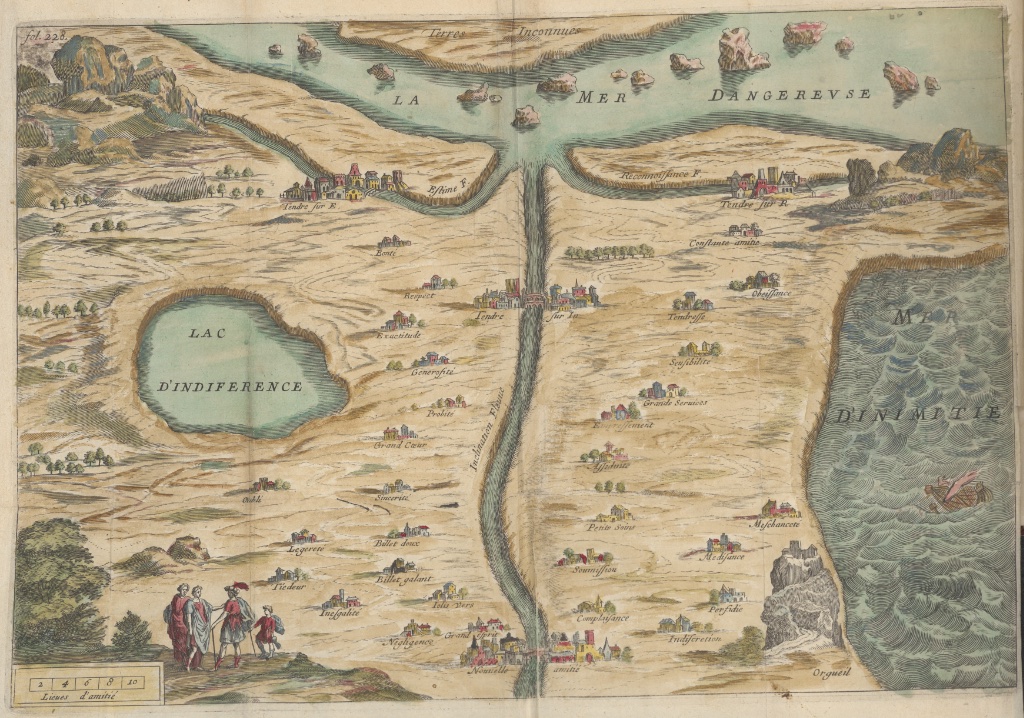
If the opening room, devoted to Sévigné’s posterity (including various chocolate brands named after her), is slightly unexpected, the rest of the show gives a vivid sense of 17th-century France, especially Paris. One map shows all the different routes provided by the newly formed postal service, thus enabling Sévigné to send her daughter letters twice and then three times a week.
Her status as a widow gave her freedoms that few other women had, and she zealously maintained her independence for the rest of her life. She also cultivated friendships with many leading figures of the day, including the writers Madeleine de Scudéry, Madame de Lafayette and François de La Rochefoucauld, as well as Louis XIV’s finance minister, Nicolas Fouquet, whose political downfall and trial are so movingly depicted in her correspondence. An occasional visitor to the French court, she described in her letters her meetings with Louis XIV and was present at the early performances of many of the plays of the three great dramatists of the age, Pierre Corneille, Molière and Racine.
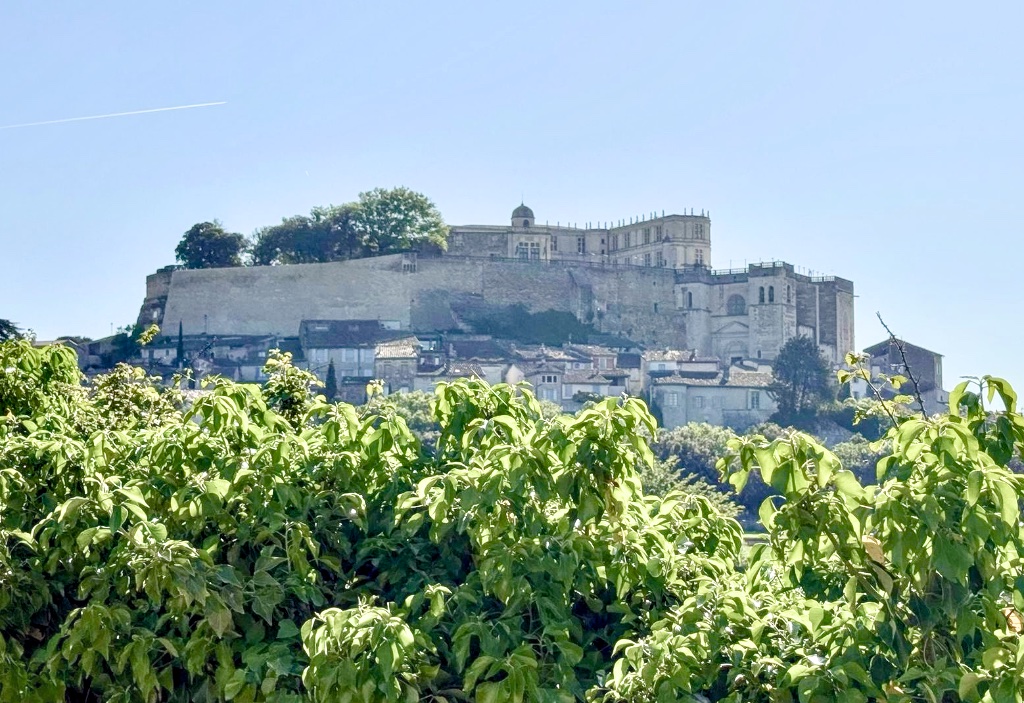
Moving to Provence, the various rooms of the Château de Grignan, which can be visited, provide interesting historical information on inhabitants of the castle before, during and after Sévigné spent time there. Until May 3, the castle is, as is noted in the entrance hall, “decorated and adorned with flowers for the spring.” However, unless you are an avid fan of plastic flowers and figures of birds on nests covering all available spaces, there is no need for you to rush there in the next few days.
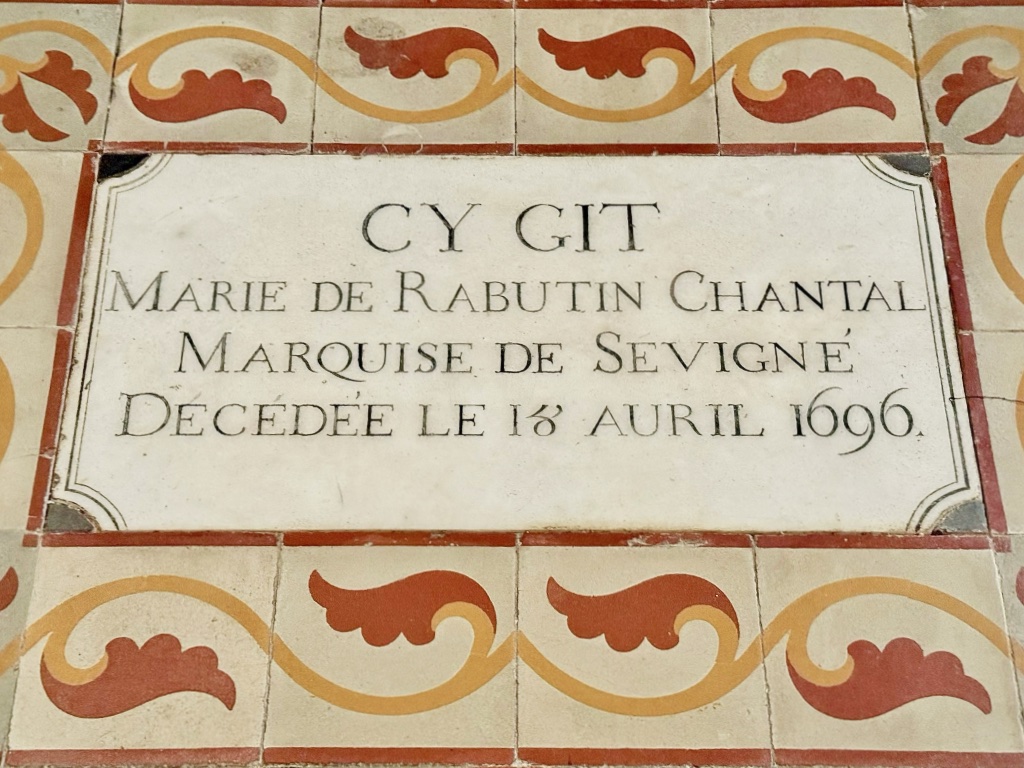
Do make time to walk to the Collégiale Saint Sauveur church at the foot of the château, where Sévigné is buried. It is strangely affecting to see the memorial plaque over her grave.
Those wishing to know more about the marquise can read my introductory pieces here and here, and my review of a recent screen version of her life here.
See our list of Current & Upcoming Exhibitions to find out what else is happening in the Paris art world.
Favorite